
2026-27 FUND FOR ENVIRONMENTAL JOURNALISM
Follow the Water
Rivers and Watersheds in the US & Canada
$5,000 USD grants for public service environmental journalism.
Application deadline: December 18, 2026
For current SEJ members applying as individuals or as a news organization's named applicant of record. Not a member yet? Join SEJ
With support from
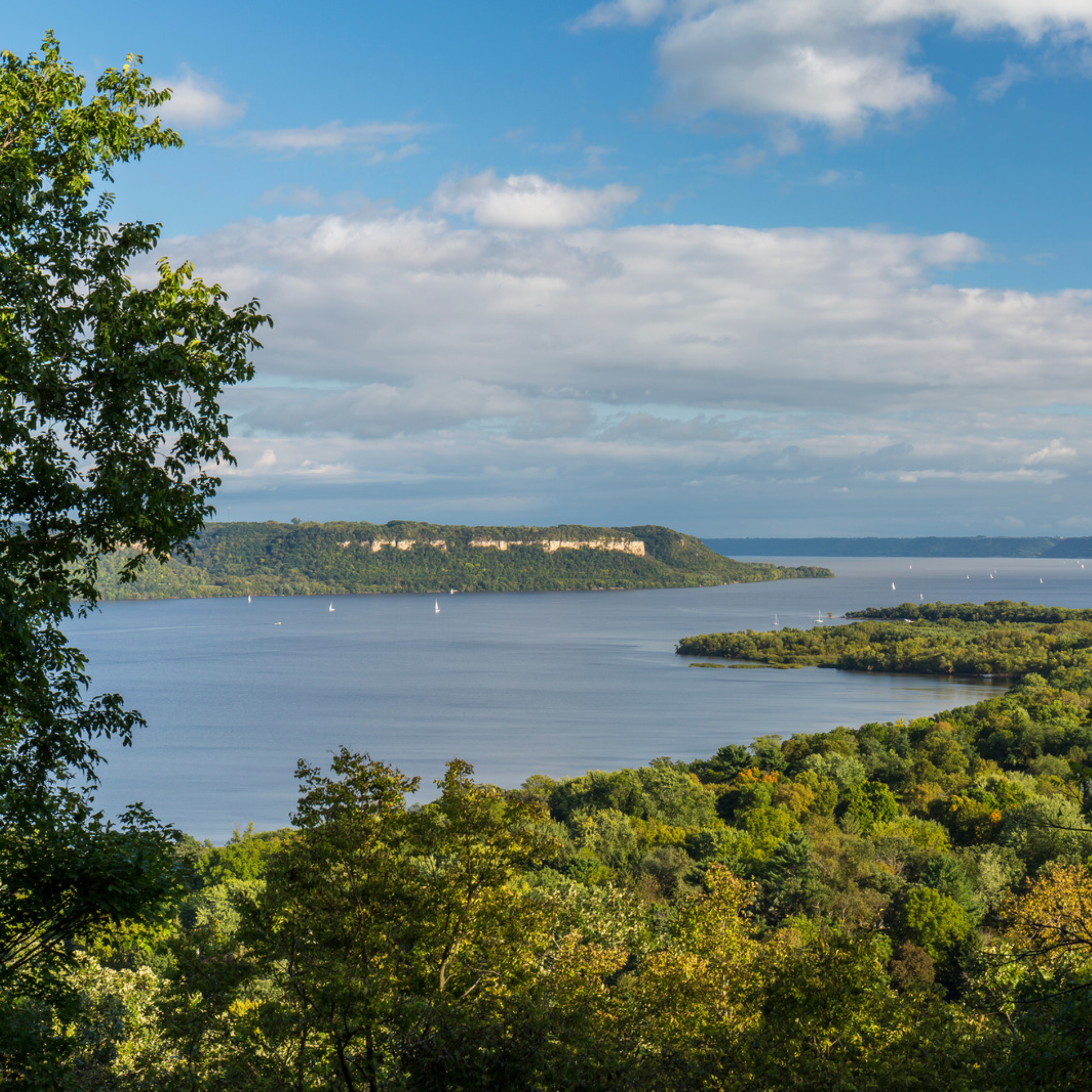
A river basin is where environmental stories meet.
From salmon returning to the Klamath to the water that sustains farms and cities, these are stories of Indigenous sovereignty, local economies, public health, municipal decisions, drought and flooding. Follow a river from its headwaters to its mouth and you cross nearly every beat.
That is why this FEJ round starts with the watershed. We want to support reporting that goes beyond the initial headlines, stays with questions as they evolve and reaches new audiences. A river basin gives journalists a way to connect developments that communities experience together but news coverage often treats separately.
Conservation. Restoration. Indigenous stewardship. Accountability. Public health. Agriculture. Energy. Community.
Where might the story begin?
EXPLORE THE WATERSHEDS
Every watershed holds more than one story, and the reporting extends well beyond a new law, a restoration project or its timeline.
The river basins and regions highlighted here offer starting points for inspiration, not a checklist of preferred proposals.
Projects may focus on any river basin or watershed in the United States or Canada, including reporting across national borders. Cross-border collaborations are welcome and encouraged.
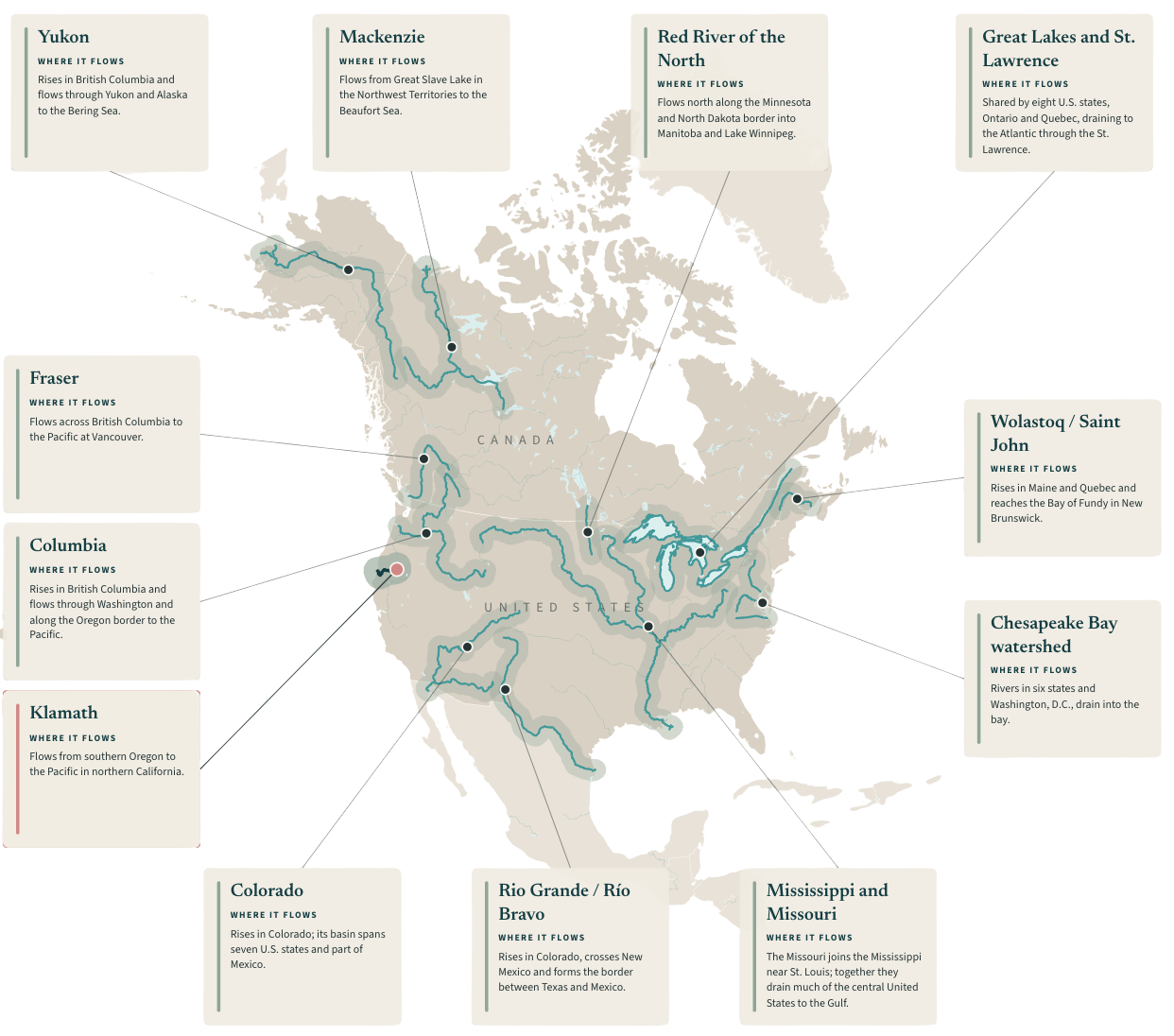
Have another watershed in mind?
The map is an invitation to explore, not a list of eligible locations or preferred proposals. The strongest story may begin close to home.
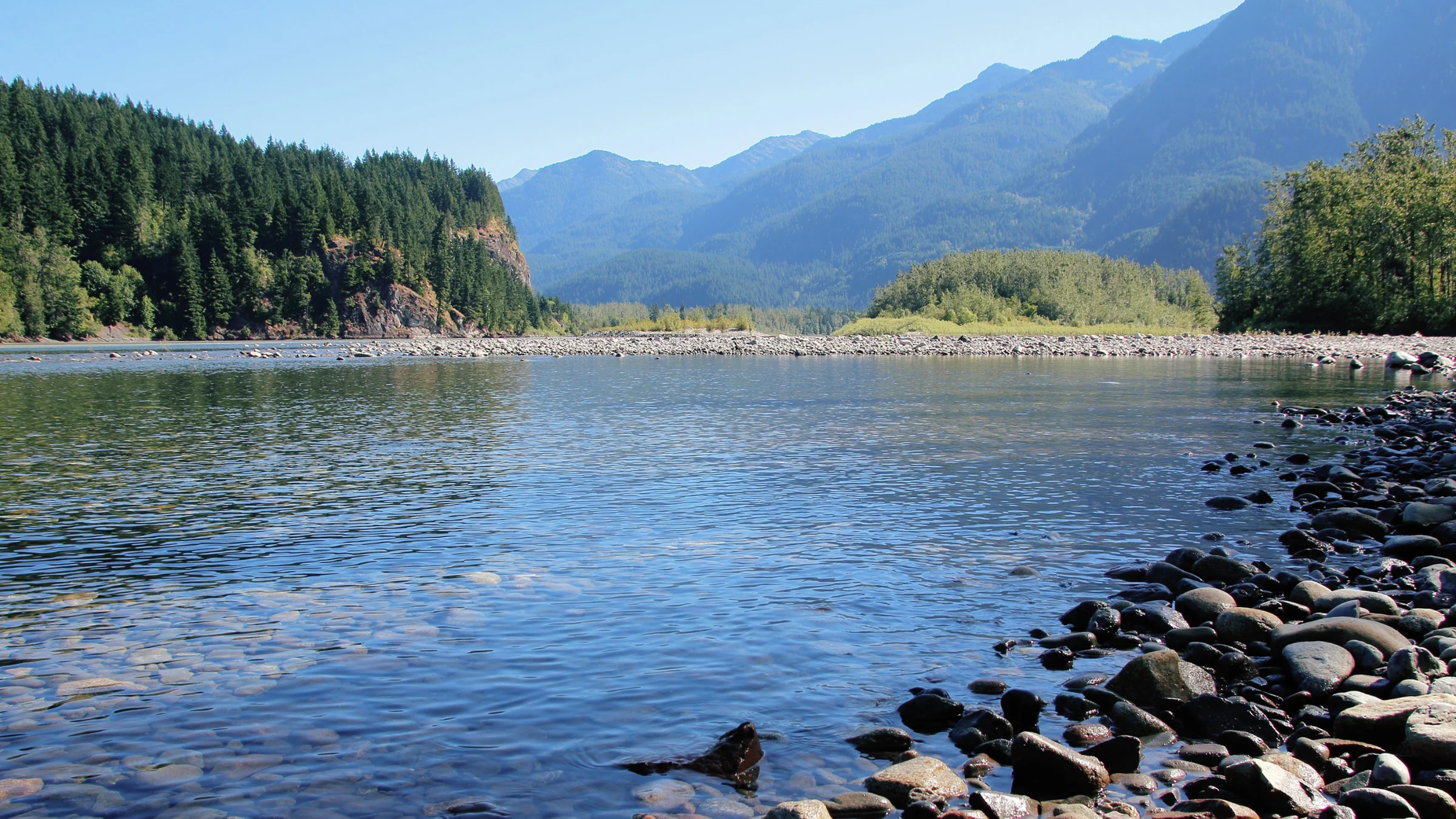
Rivers do not stop at the borders we draw.
The Columbia rises in the Canadian Rockies before reaching Washington and Oregon. The Wolastoq connects communities across what are now Maine, Quebec and New Brunswick. These rivers have their own histories, ecosystems and relationships that predate the political boundaries drawn across them.
The reporting can follow those connections, too.
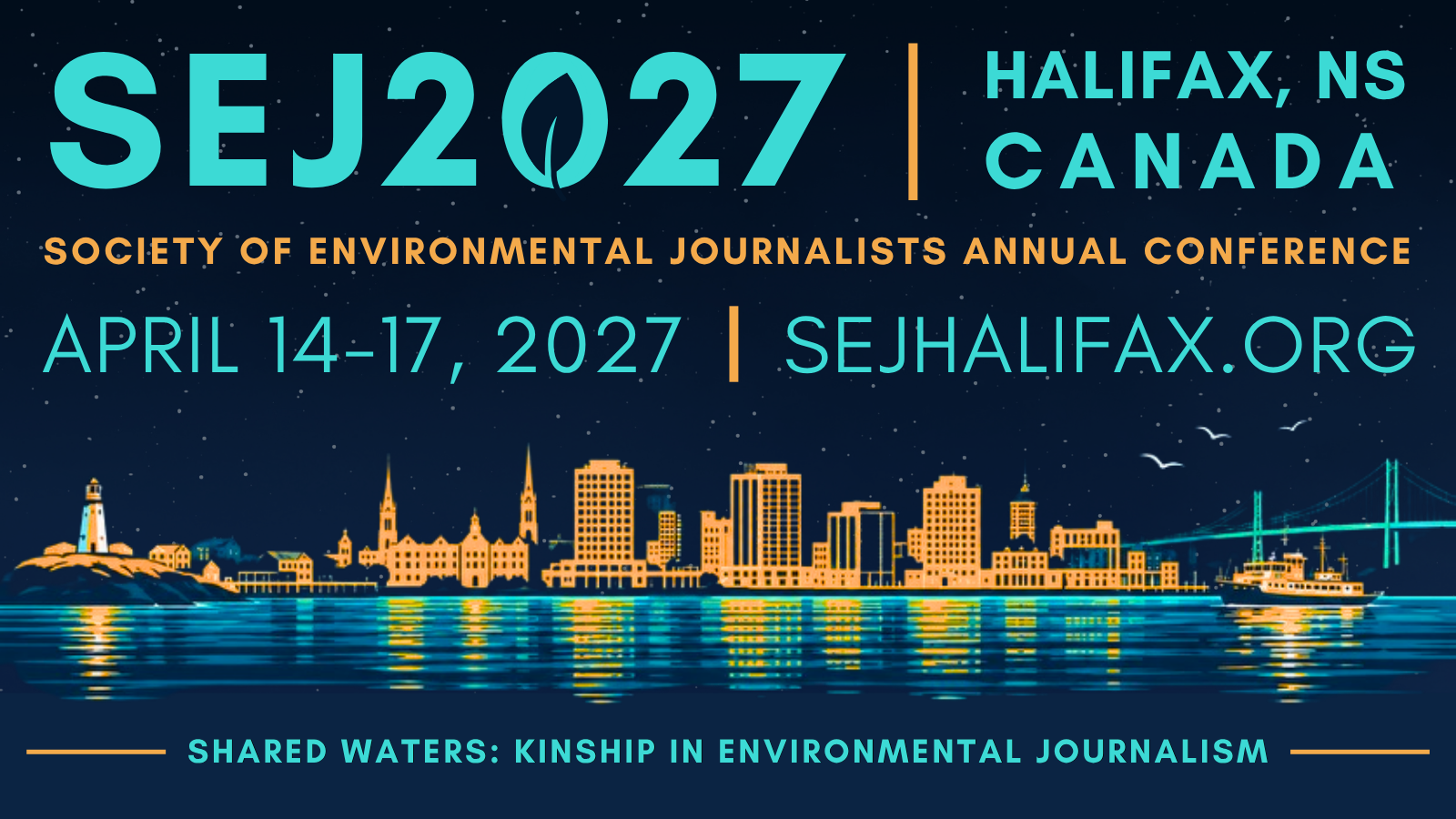
In April 2027, SEJ gathers in Kjipuktuk / Halifax for its first international annual conference, an opportunity to bring environmental journalists and reporting communities together across borders.

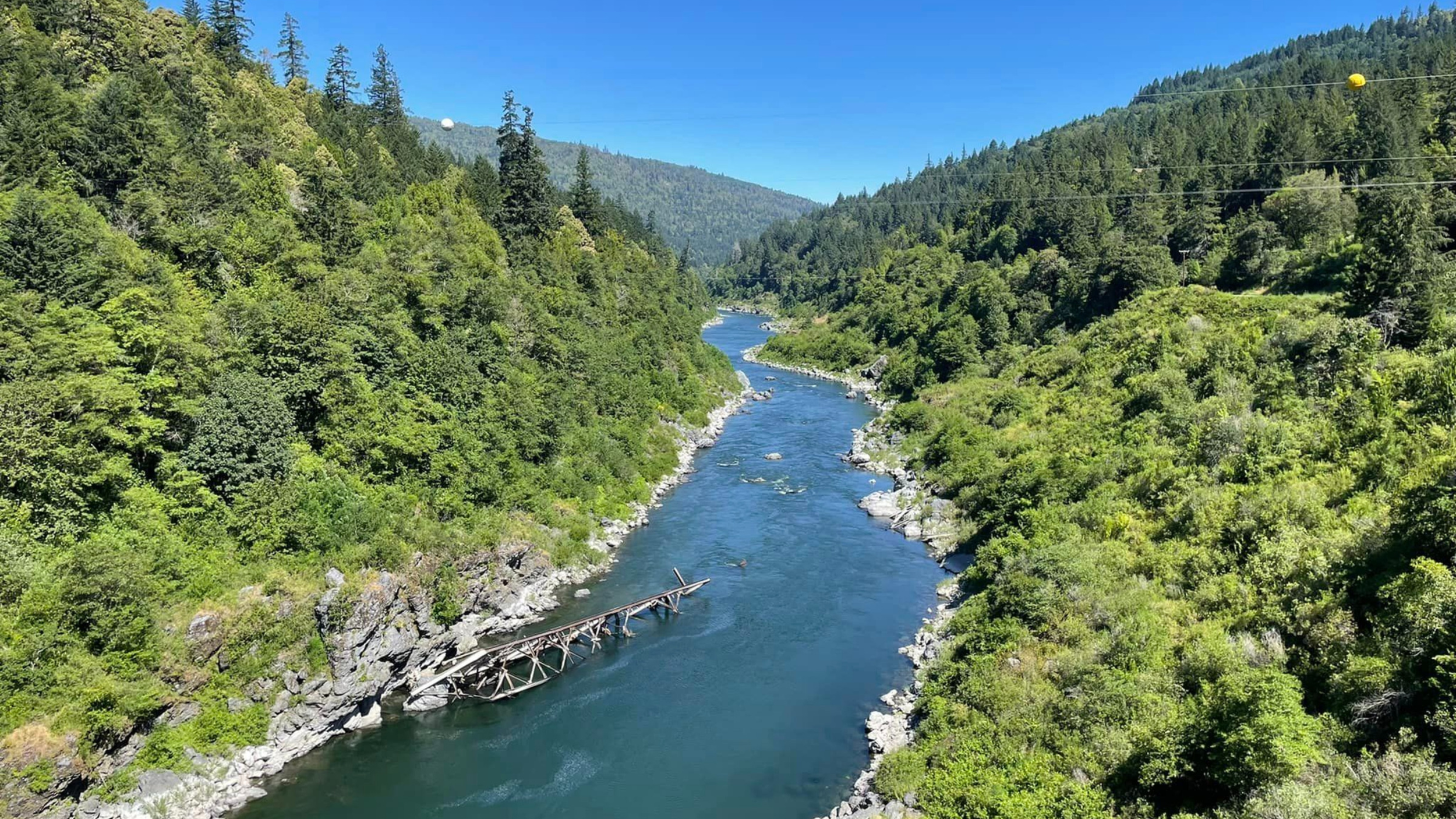
THE KLAMATH
When the reporting stays with the river
When four dams came down on the Klamath, the reporting did not end with the demolition. Journalists kept following the river, its communities and the consequences of restoration.
Their work ranged from salmon recovery and fisheries to Tribal stewardship, land return, wetlands and the future of communities along the river. Stories appeared across local, regional and national outlets, including Jefferson Public Radio, Oregon Public Broadcasting, NPR, High Country News, The Arizona Republic and Indigenous media.
SEJ's Fund for Environmental Journalism helped support the Institute for Journalism & Natural Resources' Klamath River Institute, part of the journalism infrastructure that made sustained reporting possible.
Your next story starts here.
HOW TO APPLY
FEJ awards $5,000 USD grants to support ambitious, original environmental journalism. Grants are selected by an independent panel of editors. Applications should demonstrate a clear reporting question, a credible plan and a meaningful approach to reaching the people and communities most affected by the story.
$5,000 USD
per grant
Dec. 18, 2026
application deadline
Jan. 15, 2027
decisions begin
One year
to complete funded work
Who can apply
Individual journalists may apply if they are current SEJ members and will lead the project. News organizations may apply when a named applicant of record is a current SEJ member. That person may be the journalist leading the project or an administrative contact, including a grants manager. Not yet an SEJ member? Join our community today.
Projects led by independent journalists, and collaborations among journalists, newsrooms or community partners, receive additional consideration.
Cross-border collaborations are encouraged.
Prepare your application
Before applying, review the guidelines and prepare a two-page resume, at least one editorial support or commitment letter, your reporting and audience plans and the SEJ budget template. Preview the application.
Optional work samples may be submitted as links.
All applications must be submitted in English through Submittable, accessed through the SEJ member portal.
What makes a strong proposal?
An original story
What makes this reporting timely, undercovered or genuinely different? What will it add to public understanding?
A credible reporting plan
Show how you will do the reporting, the sources and evidence you expect to pursue, and how the project can be completed.
An audience beyond publication
Who needs this information? How will you reach and engage the communities most directly affected?
A purposeful budget
Explain how $5,000 USD will make the reporting possible or stronger, and connect each expense to the project.
INDEPENDENT ENVIRONMENTAL JOURNALISM SINCE 2010
Micro-grants, big impact.
A small grant can make the difference between a story a journalist hopes to pursue and one that reaches the public.
Since 2010, SEJ's Fund for Environmental Journalism has helped reporters take on stories that otherwise might go untold or unfinished, from local accountability investigations to reporting on public lands, biodiversity, environmental health, energy and water.
The work has appeared across print, digital, broadcast, audio and multimedia outlets, reaching audiences locally, nationally and beyond.
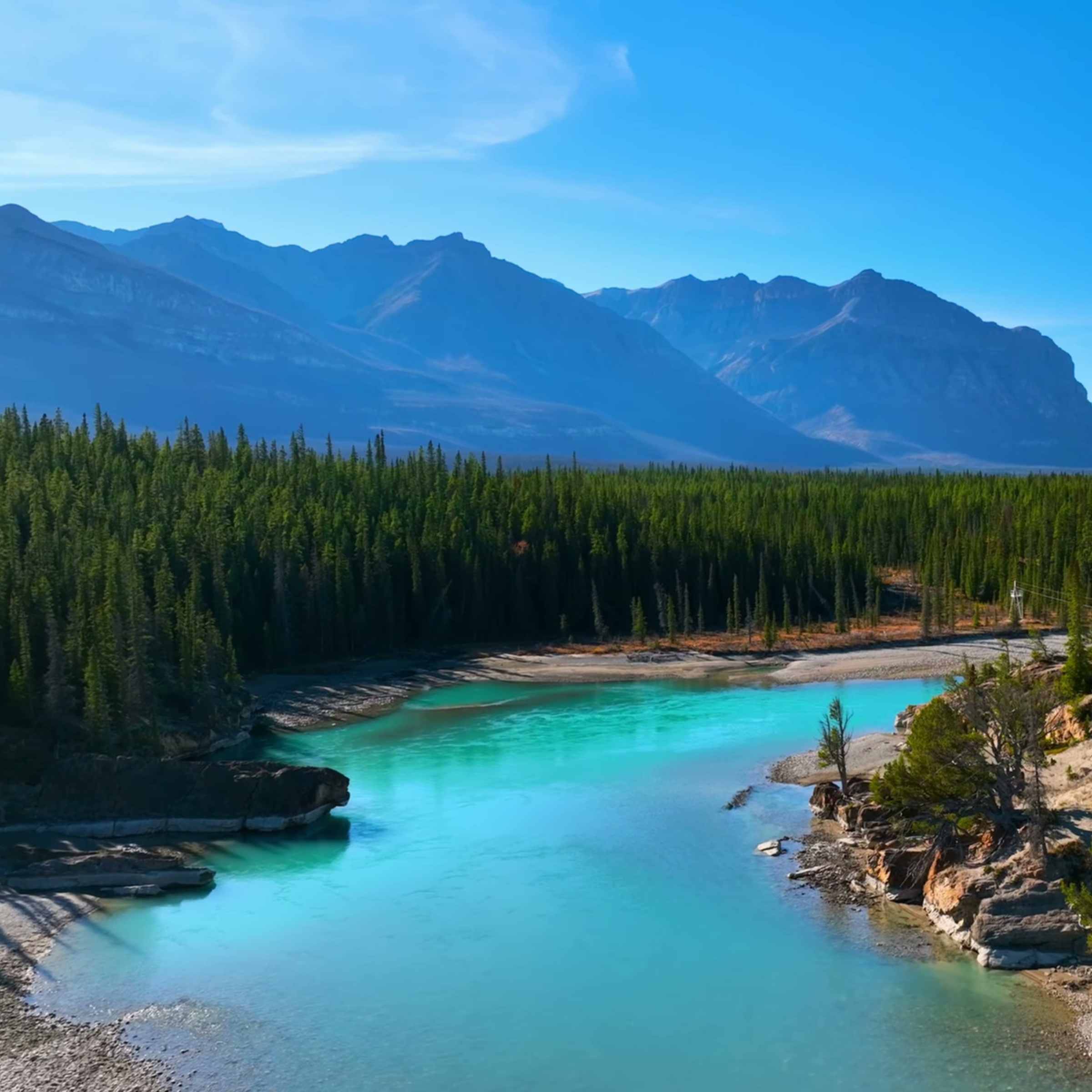
What happens after the story runs?
The impact of journalism is not always captured by readership alone. FEJ-supported reporting has informed public accountability, been cited in government correspondence and circulated within communities working through the issues covered.
We are building a stronger picture of that impact, looking at who reporting reaches, how people engage with it and what happens after publication.
Public accountability
Joan Meiners' reporting in Arizona was followed by an attorney general investigation and reversal of a gas plant zoning approval.
Policy attention
Gloria Gonzalez's reporting on Puerto Rico's energy system was cited in congressional correspondence.
Community reach
Reporting by FEJ grantees has been printed, shared and discussed directly by community members, extending its reach beyond the original publication.
SEJ continues to document the reach and impact of work supported by FEJ.
Questions about applying?
F.A.Q.
Start here for answers to common questions about eligibility, budgets, collaborating and what happens after you apply. For complete requirements, consult the official guidelines.
-
Individual journalists may apply if they are current SEJ members and will lead the project. News organizations may apply when a named applicant of record is a current SEJ member. That person may be the journalist leading the project or an administrative contact, including a grants manager.
-
Not yet. This round requires current membership for the individual applicant or the news organization's applicant of record. If you are considering applying, review SEJ's membership categories and allow at least one week to join before the deadline.
-
Yes. An individual member can lead a collaborative project, and a news organization can apply on behalf of a team. Explain who will do the reporting, how the work will be coordinated and who will manage the grant.
-
Yes. We welcome collaborations among journalists, newsrooms and community partners, including teams working across the U.S.-Canada border. The individual project lead or the news organization's applicant of record must meet SEJ's membership requirement, and the application should explain roles and grant management.
-
Projects may focus on any river basin or watershed in the United States or Canada. Cross-border reporting and collaborations are encouraged. The examples on our map are places to begin, not a list of preferred projects.
-
The reporting theme includes Canada, and the membership requirements apply to all applicants. Individual applicants must be current SEJ members and lead the project; news organizations must name a current SEJ member as applicant of record.
-
Yes. Current SEJ staff are not eligible. Current board members may not apply as individuals or serve as project leads, though an affiliated news organization may apply if that board member is not involved in the project. The same restrictions apply to staff or board service that ended after December 31, 2025.
-
Yes, if the prior FEJ grant is closed. Applicants with an open grant from an earlier round are not eligible, and recent recipients may receive lower priority than applicants new to FEJ.
ELIGIBILITY
-
No. Rivers and watersheds connect stories about conservation and recovery with Indigenous stewardship, public health, local government, land use, agriculture, energy, business, water rights and accountability. The proposal should have a clear watershed connection and a compelling reporting question.
-
Yes, provided the applicant meets FEJ's eligibility rules and proposes a journalism project with a clear publication or distribution plan. Explain the format and why it serves the reporting.
-
Each story grant is $5,000 USD. Your budget should explain how that amount advances the reporting. Use SEJ's budget template and connect expenses to specific reporting tasks.
-
Eligible stipends may be requested for people doing substantial work over the project period, up to $2,500 USD per person. Stipends supplement, rather than replace, assignment fees. Short, task-specific services belong under contractor costs.
-
Eligible expenses include reporting-related production, editing, fact-checking, translation, design, data visualization, documents and information requests, equipment with specific justification, and eligible travel. Review the full budget guidelines for details and restrictions.
PROJECTS AND BUDGETS
-
You must submit at least one letter of support or commitment, and no more than three. Individual applicants should include a letter from an editor or producer. News organization applicants should provide a letter from an editor in chief, publisher or producer.
-
Tell us what is original or urgent about the story, what you already know, what remains to be reported and how you will do the work. A realistic timeline, relevant experience and a plan for reaching affected audiences all matter.
-
No. One application is permitted per individual or news organization.
-
No. There is no application fee.
-
Judges consider news value and originality, the reporting plan, the likelihood of completion, audience, impact and the budget. Projects led by independent journalists and collaborations may receive additional consideration. Alignment with the grant theme is required.
-
Tell us who the audience is for this reporting and how they'll engage with your work. A publishing plan matters, but we also want to understand how you might reach and respond to communities directly affected by the story. That could include local partnerships, translations, community events or other distribution approaches that suit the project. Please share what you can reasonably anticipate or measure.
-
A resume with work links, no longer than two pages; at least one editorial support letter; a completed budget exported from SEJ's template as an .xlsx or PDF; and the application responses. Up to two additional work samples may be submitted as links. The current application form also requests tax documentation.
-
After submitting, project leads receive a separate confidential demographic form that must be completed before awards are determined. Other team members are invited but are not required to respond. Judges do not see those responses.
-
Applications and supporting materials must be submitted in English through Submittable.
-
Award notifications are expected to begin January 15, 2027. Successful applicants sign a grant agreement before receiving funds and have one year from the agreement date to complete their projects. A final report is due within 30 days of completion or the end of the term, whichever comes first.
-
Yes, though please start with the full guidelines and application preview. If your question is not answered there, use our FEJ questions form.
APPLYING AND SELECTION
FOR PARTNERS AND SUPPORTERS
Ways to support FEJ
Micro-grants, big impact.
A $5,000 USD grant can help a journalist pursue a story that otherwise might go untold. With additional support, FEJ can fund more reporting, sustain coverage over time and help important stories reach wider audiences.
Fund a story grant
Contribute toward a $5,000 USD reporting grant. Every project is selected by FEJ's independent panel of editors.
Fund a watershed cohort
Underwrite several grants focused on the same river system or region, supporting independent reporting from different perspectives and communities.
Sustain coverage over time
Support a reporting position, dedicated desk or partnership among newsrooms. FEJ has underwritten all three before, helping make deeper, sustained coverage possible.
Extend the reach
Help bring FEJ-funded journalism to wider audiences through translations, community engagement, public showcases and other ways to connect reporting with the people it serves.
Bring the conversation to Halifax
SEJ's first international annual conference offers an opportunity to showcase FEJ-supported reporting, connect journalists across borders and introduce new audiences and potential partners to our watershed initiative.
SEJ2027 | Kjipuktuk / Halifax | April 14–17, 2027
Let's talk about supporting independent environmental journalism.
SEJ welcomes conversations with foundations, individual donors and other prospective partners interested in supporting public service reporting.
Contact our development team: development@sej.org
Grantees retain full editorial control. Funders do not select projects or influence reporting or editorial decisions.
Independent journalism. Independent judgment.
Grantees retain full editorial control of their work. FEJ themes are shaped in partnership with funders, but funders play no role in grantee selection or the editorial direction of funded projects. All grant decisions are made by an independent panel of editors.
With support from